Home Finds — No. 15
Breathe easier at home this winter
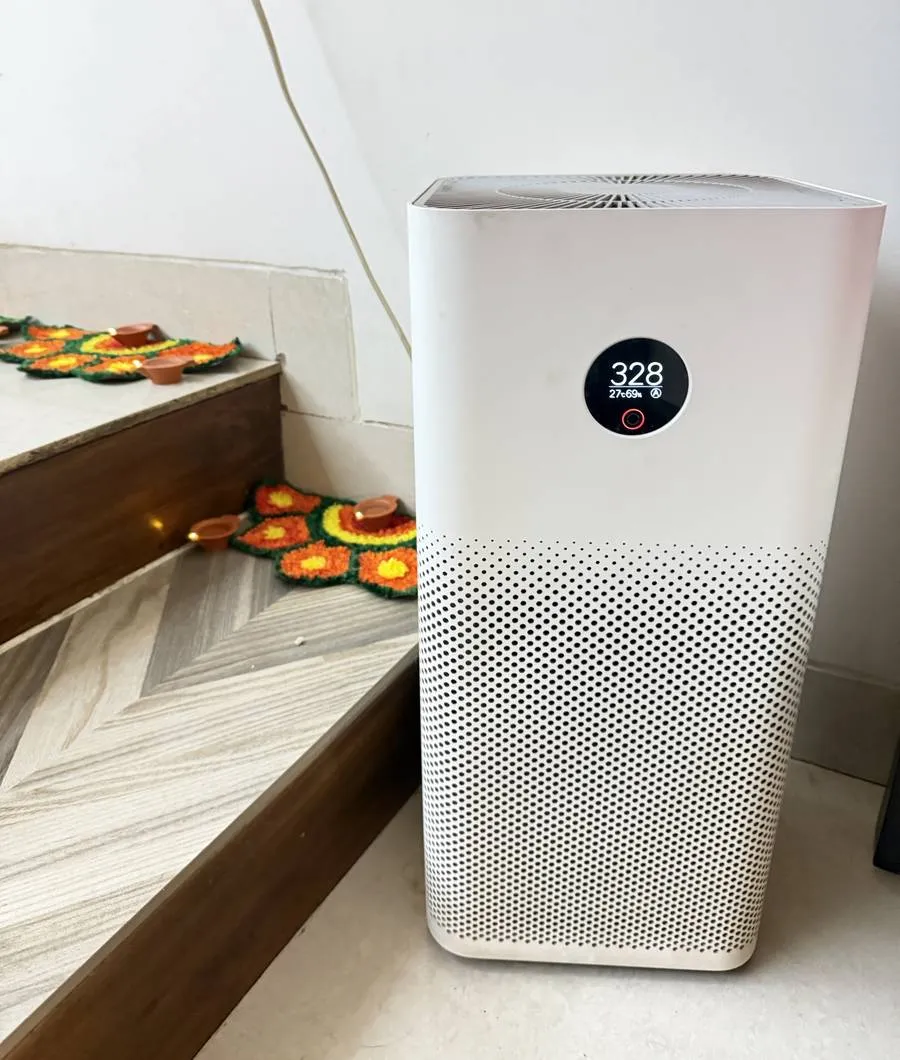
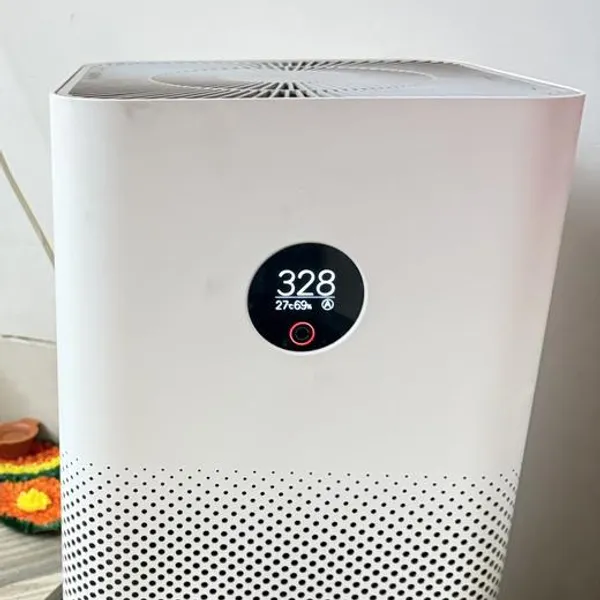
How to pick the right air purifier for your home, where to place it, and how to use it so it actually works. Mine read 328 indoors during Diwali week.

Some links on this page are affiliate links. As an Amazon Associate I earn from qualifying purchases, at no extra cost to you. It never changes what gets recommended here. Prices and specs change, so check the listing before you buy.
Find the right purifier for your room
Tell me about your room and I’ll show you how powerful it needs to be, and which of my picks fits best.
290
m³/hr CADR needed
How do you know your room size?
Ceiling height
Budget
What matters most?
Best match for your room
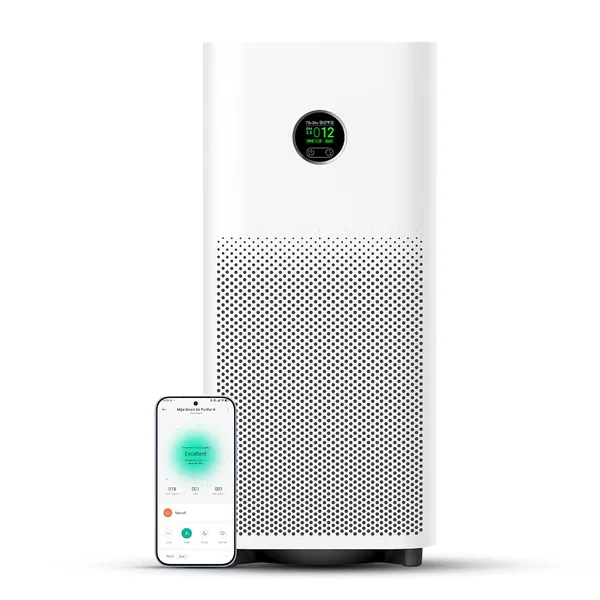
Xiaomi Smart Air Purifier 4 Lite
360 m³/hr CADR, Under ₹15k
It’s rated at 360 m³/hr against the 290 m³/hr your room needs. That’s just enough, so it may need higher speeds on bad AQI days.
Buy on Amazon →All 8 picks for this room
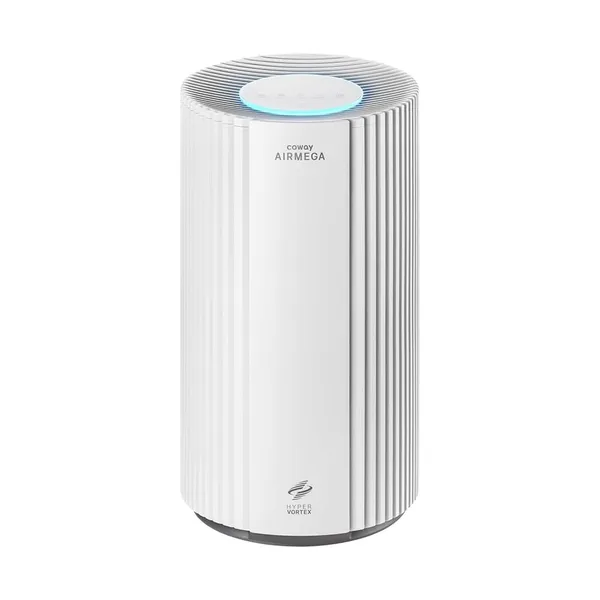
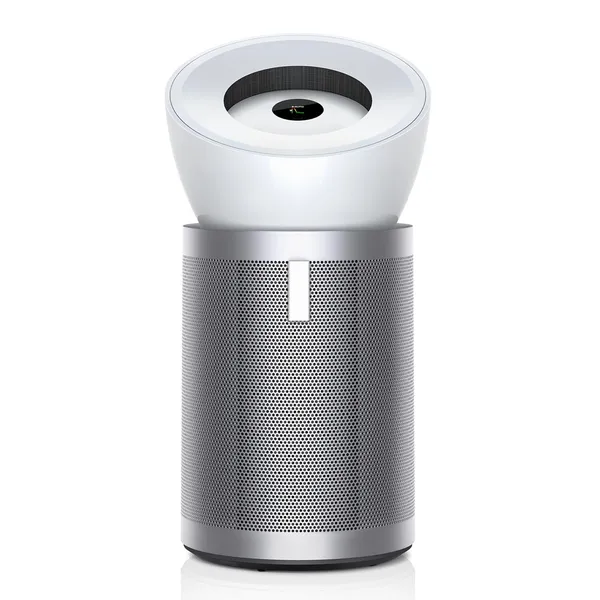
Dyson doesn’t publish a CADR, so it’s matched on its rated coverage and never picked as the best match.
Under ₹15k
Enough for most bedrooms, including the one I run at home.
CADR is the brand’s rated figure, and price bands are a rough guide. Prices change often, so check the listing.
The one in my homeXiaomi Smart Air Purifier 4 Lite360 m³/hr CADR, Under ₹15k. Compact, with a live AQI display and app control.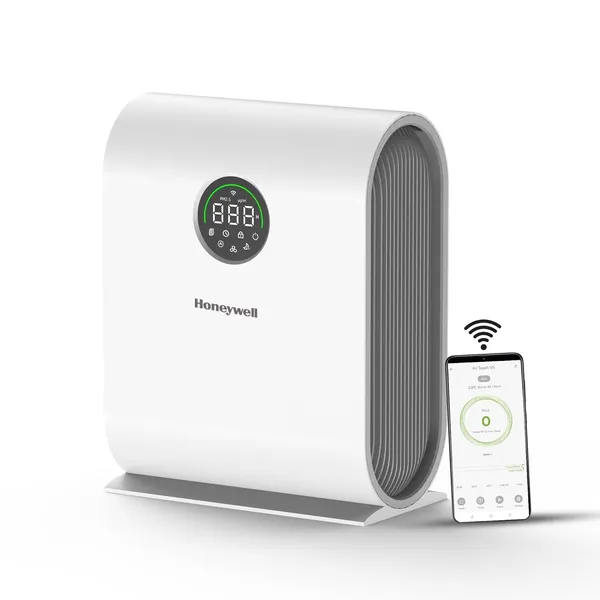 Under ₹12kHoneywell Air Touch V5380 m³/hr CADR, Under ₹15k. H13 HEPA, AQI display, Wi-Fi app and voice control, covers up to 589 sq ft.
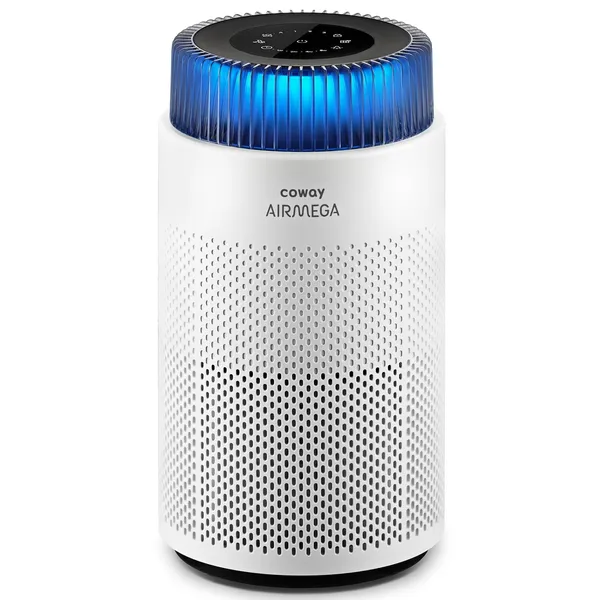 For small bedroomsCoway Airmega 100240 m³/hr CADR, Under ₹15k. Compact, very quiet, True HEPA plus carbon, 7-year warranty on the listing.
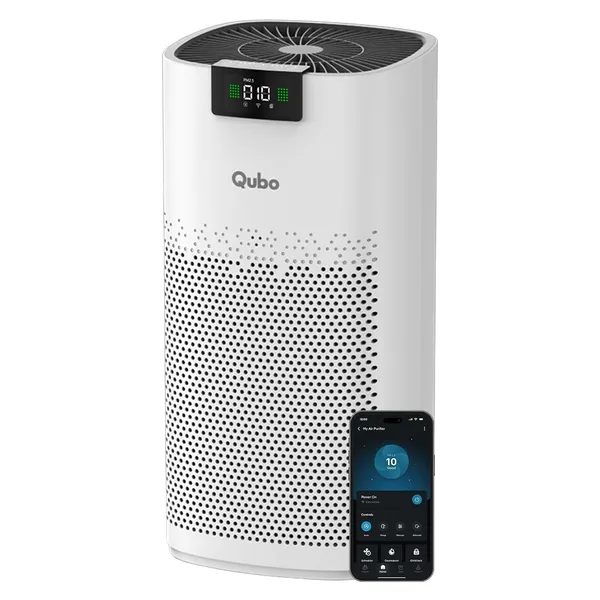 Indian brandQubo Smart Air Purifier Q600450 m³/hr CADR, Under ₹15k. True HEPA H13, app control, from Hero Group.
₹15k to ₹30k
More power for bigger rooms, with a live AQI display on both.
Above ₹30k
For big, open living rooms, and one for the design lovers.
What to check before you buy
Ignore the sq ft claim on the box. These are the numbers that matter.
- CADR, not coverage area. Brands’ sq ft claims usually assume very slow air changes. Match the CADR to your room using the calculator above.
- True HEPA (H13). “HEPA-type” or “HEPA-like” are marketing words. H13 is what traps fine PM2.5.
- Activated carbon. Handles smoke smell, cooking odours and gases. A thicker carbon layer works better than a thin coated sheet.
- No ozone. Skip ionisers or “plasma” features that create ozone, or make sure you can switch them off.
- Filter cost. In a smoggy winter, filters may need changing every 6–9 months. Check the price and that genuine filters are easy to find.
- Sleep-mode noise. Under about 30–35 dB is comfortable in a bedroom.
- Nice to have. A PM2.5 display, auto mode, filter-life indicator and app control.
Where to place it
The right spot matters as much as the right machine.
- Bedroom first. You spend 8 hours there, so it gives you the most benefit.
- Doors and windows shut. A purifier can’t keep up with outdoor air pouring in. Sliding balcony doors often leak at the edges, so seal the gaps.
- Give it breathing room. Keep it 1–1.5 ft from walls, out of corners, and away from curtains and behind-the-sofa spots.
- Close to you, not in your face. About 1–2 m from your bed or seat works well.
- One per room. It doesn’t clean through walls. A living room unit won’t help your bedroom.
- Away from drafts. Avoid spots where the AC or ceiling fan blows straight at it.
Use it the right way
- Switch it on 30–60 minutes before bed with the door closed, then move to sleep or auto mode.
- Run it all the time on medium rather than short bursts on max.
- Clean the pre-filter every 2 weeks in pollution season. Never wash a HEPA filter.
- Air the room briefly when outdoor AQI is lowest, usually early afternoon, so the room doesn’t get stuffy.
- Use your kitchen chimney for cooking fumes. A purifier won’t handle those.
Filter cleaning and maintenance
A clogged filter quietly cuts how much clean air you get. Always switch off and unplug before cleaning, and check your manual for model-specific steps.
- Pre-filter, every 2 weeks. This is the mesh layer that catches dust and hair. Vacuum it, or rinse it if your manual says it’s washable, and let it dry completely before putting it back.
- HEPA filter, never wash it. Water and scrubbing damage the fibres that trap PM2.5. Replace it when it’s due.
- Carbon filter, can’t be cleaned. Once smells start lingering again, it’s used up. In many purifiers it comes combined with the HEPA filter, so they’re replaced together.
- Signs it’s time to replace. The filter-life alert comes on, the AQI takes much longer to drop, there’s a musty smell, or the filter looks dark grey. In a heavy pollution season this can come sooner than the box says.
- Reset the indicator. After fitting a new filter, reset the filter-life counter (on the machine or in the app) so the next alert is accurate.
- Buy genuine filters. Match the exact model number. Cheap copies often don’t seal properly, so air slips around the filter instead of through it.
- Clean the sensor. Many purifiers have a small air-quality sensor behind a flap. Brush or wipe it gently with a dry cotton bud every month or two so the AQI reading stays accurate.
- Wipe the outside. Use a dry cloth, and vacuum the intake grilles so dust doesn’t block airflow.
- Write down the date. Note when you change the filter, on a sticker inside the cover or in your phone, so you’re not guessing next season.
- Monsoon and summer. Damp filters can grow mould. If you pause the purifier for months, keep it in a dry spot and run it for a while every week or two.
Myths to stop believing
- “Plants will clean my air.” Not in any meaningful way indoors. Keep them for how they look.
- “Bigger sq ft claim means better.” Only CADR tells you how fast it actually cleans.
- “The cheapest one saves money.” Often it costs the most over time because of its filters.
Where to go next
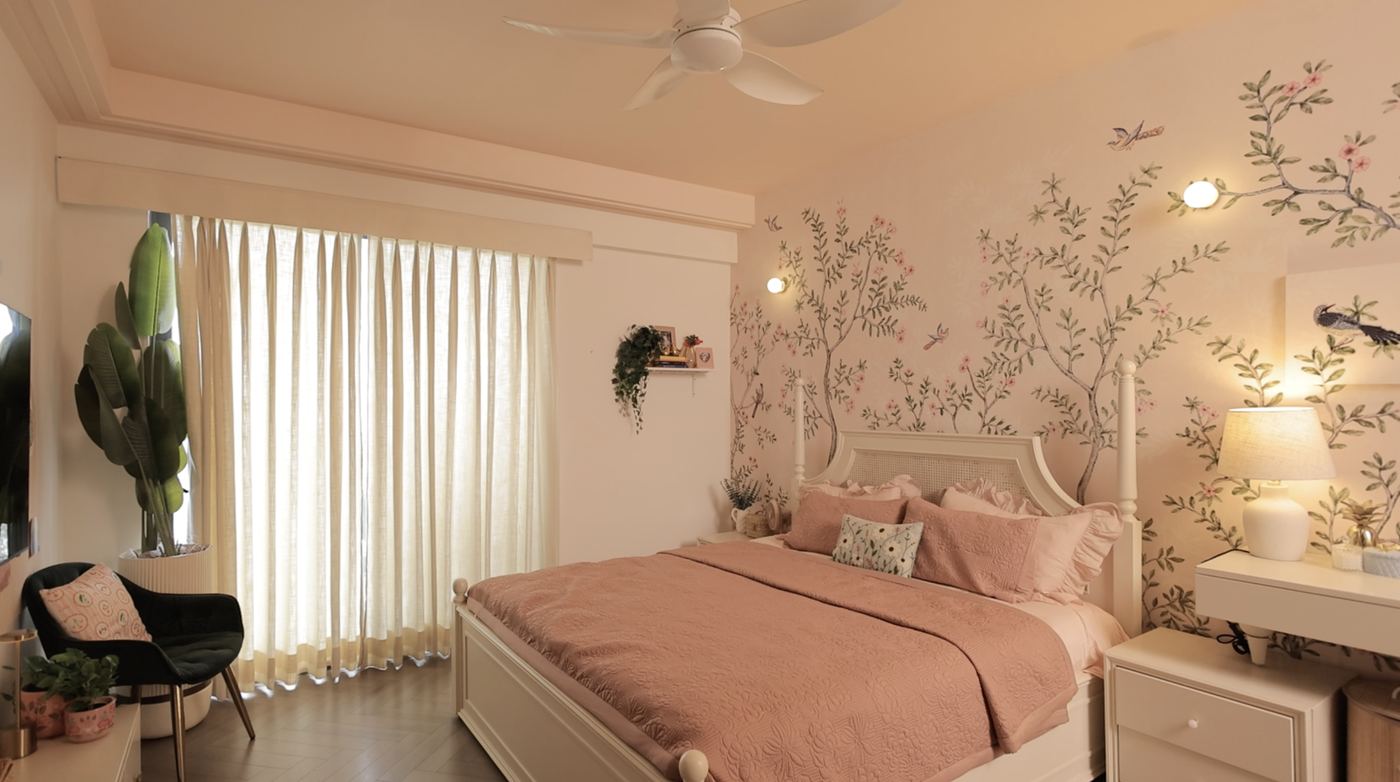 Room StoryThe blush master bedroom
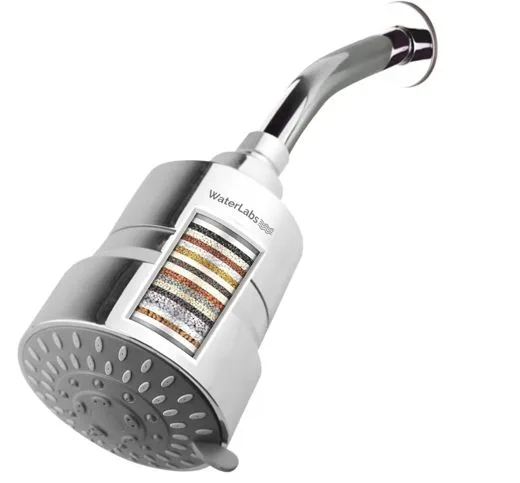 GuideHard water at home? 3 ways to fix it
 Shop the LookBalcony ideas
More home finds
 Home Finds — No. 01Peel & stick wallpaper & wall stickers
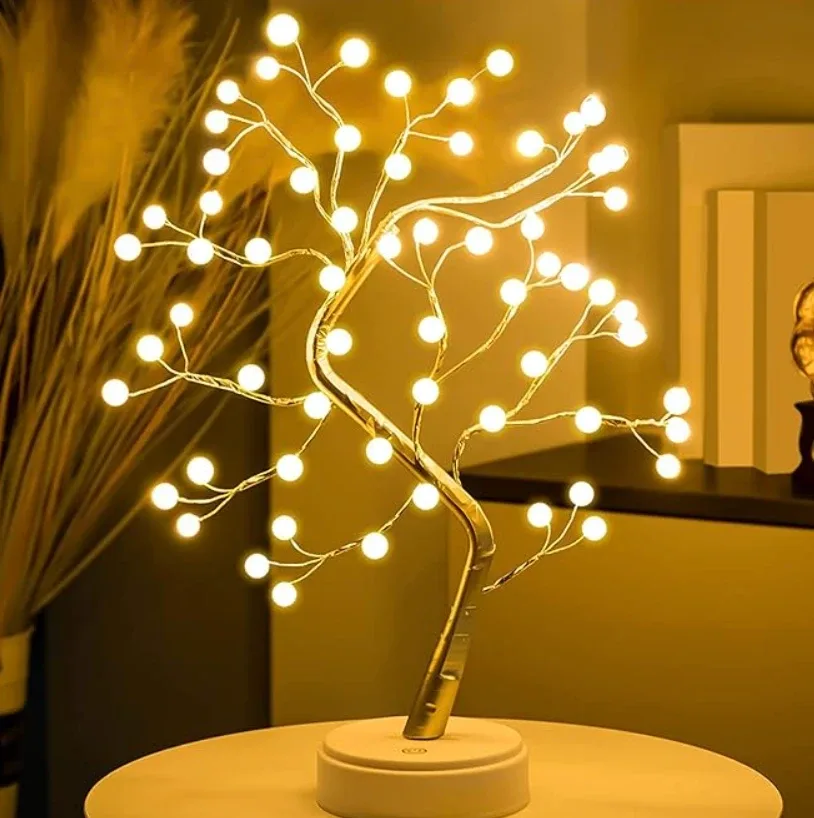 Home Finds — No. 02Lights without electricity
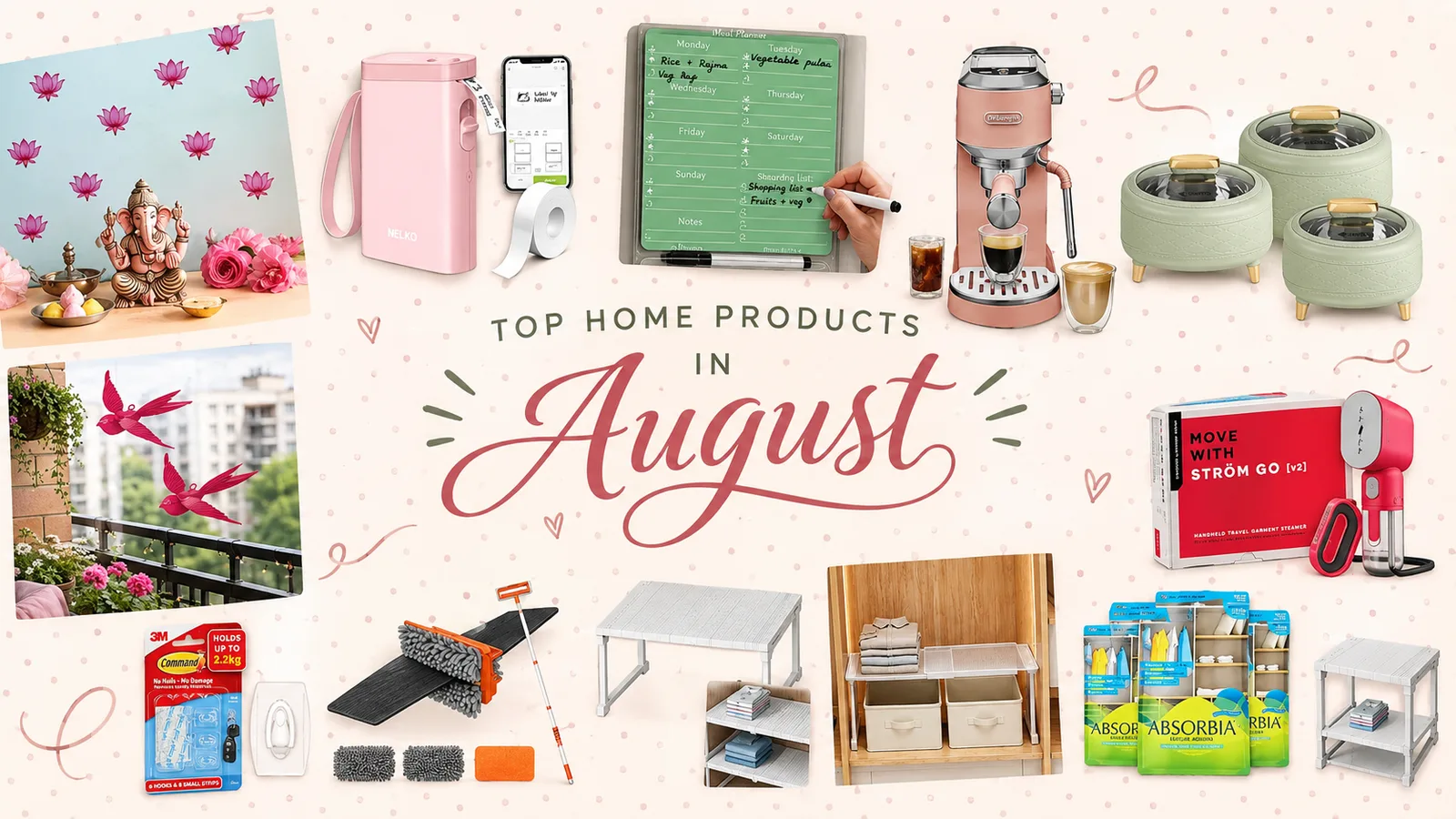 Home Finds — No. 03Most loved in August
 Home Finds — No. 04Indian home decor
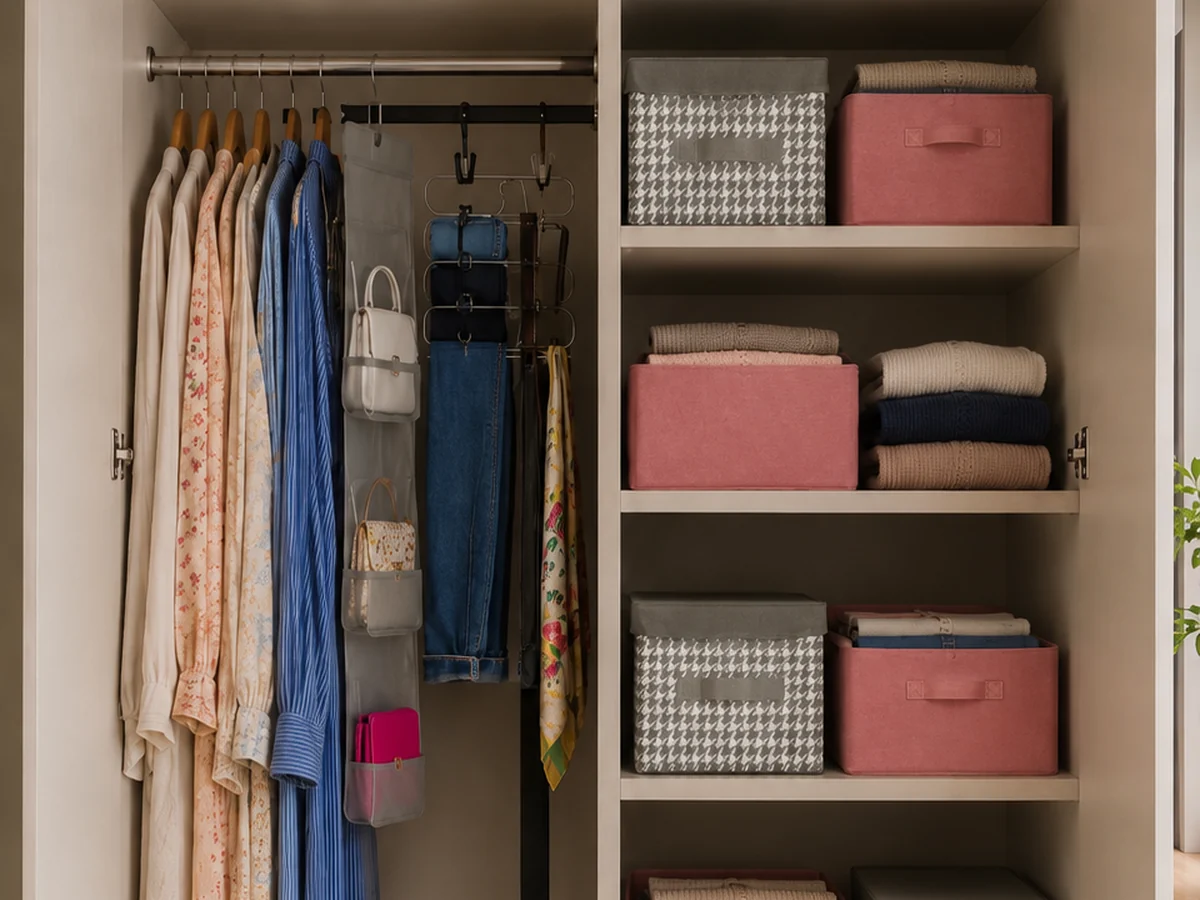 Home Finds — No. 05Wardrobe organisers
 Home Finds — No. 06Mats for every room
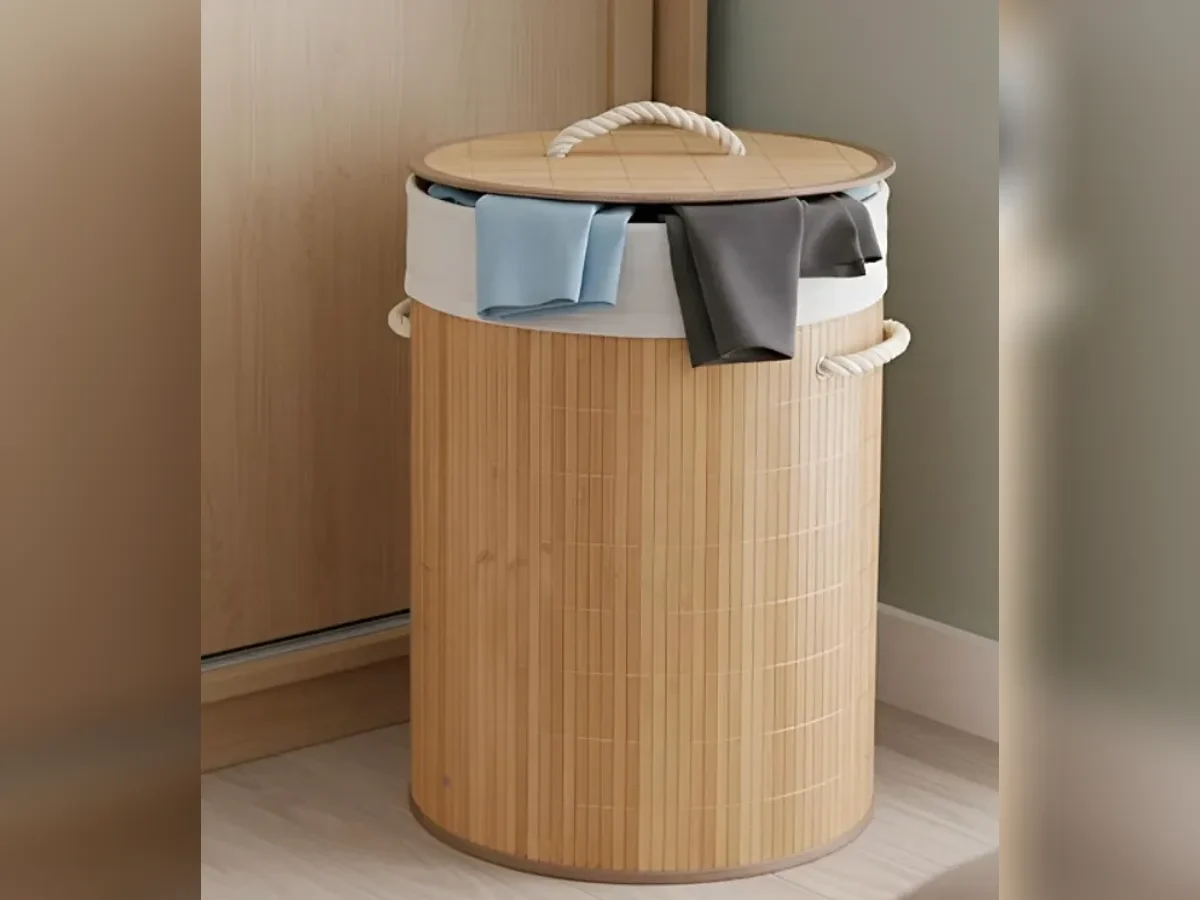 Home Finds — No. 07Laundry & washing essentials
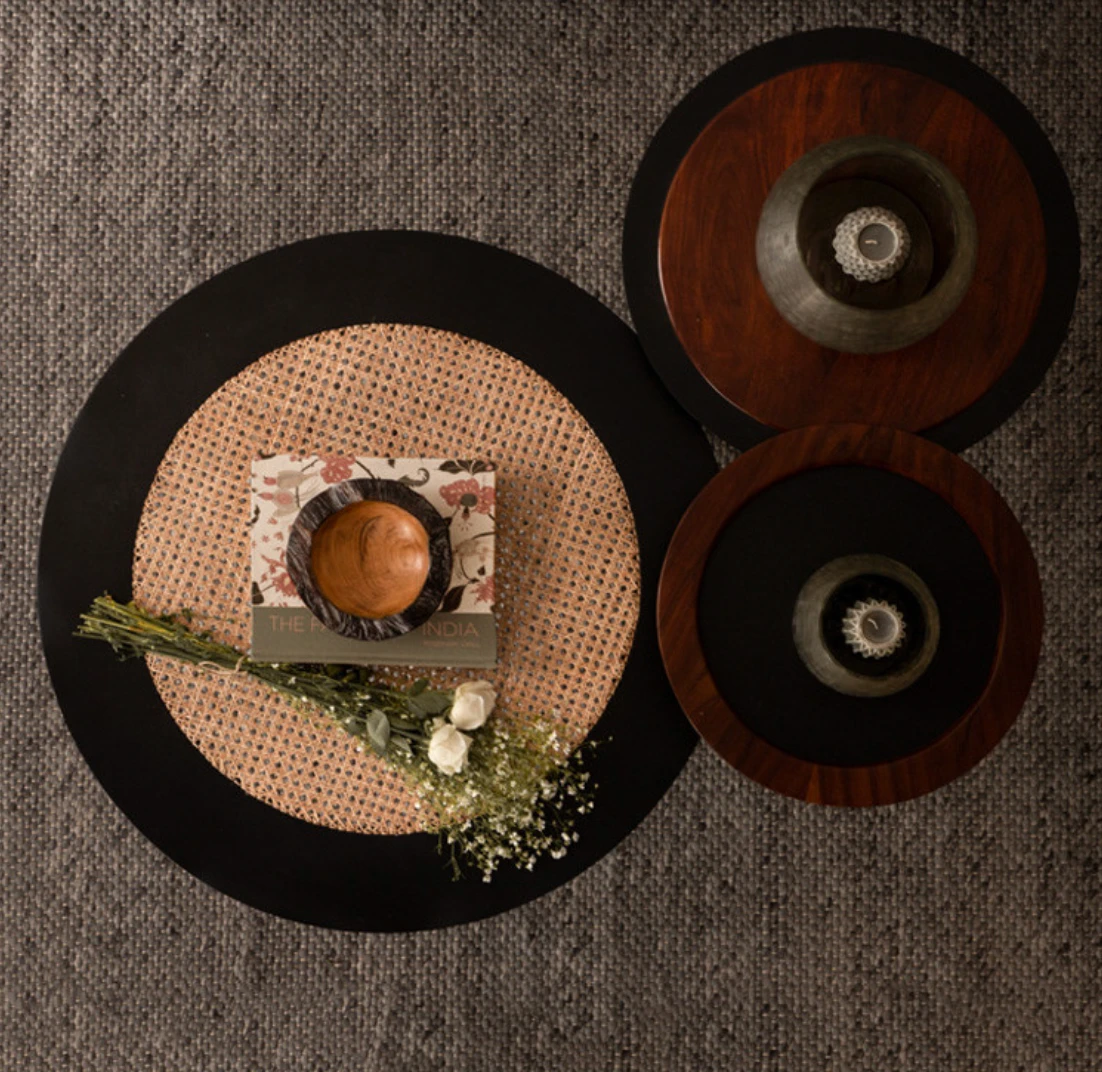 Home Finds — No. 08Five kinds of centre table
 Home Finds — No. 09Simple cleaning tools that you need for your home
 Home Finds — No. 10Little fixes, lasting homes
 Home Finds — No. 11Fridge magnets that earn their spot
 Home Finds — No. 12Quick and easy wall decor ideas
 Home Finds — No. 13Fridge organisers
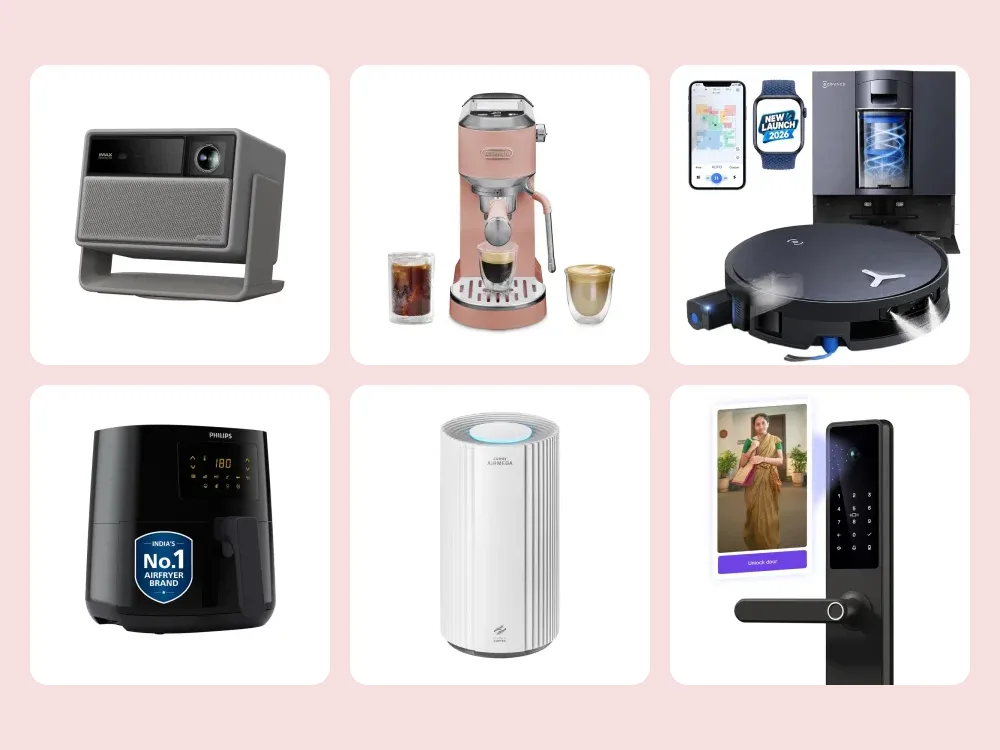 Home Finds — No. 14Home gadgets I swear by
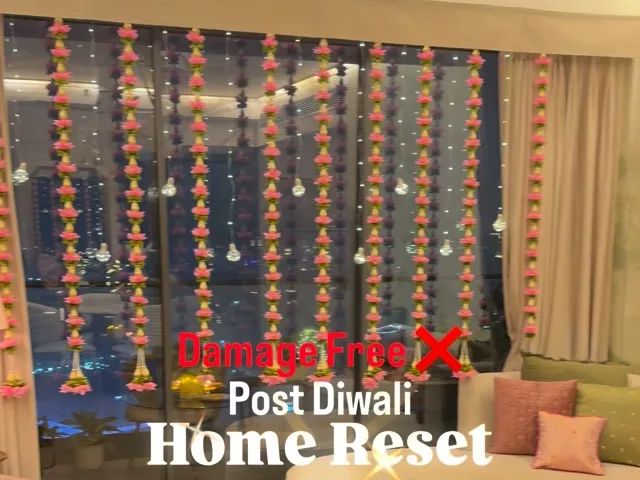 Home Finds — No. 16Damage-free post-Diwali home reset
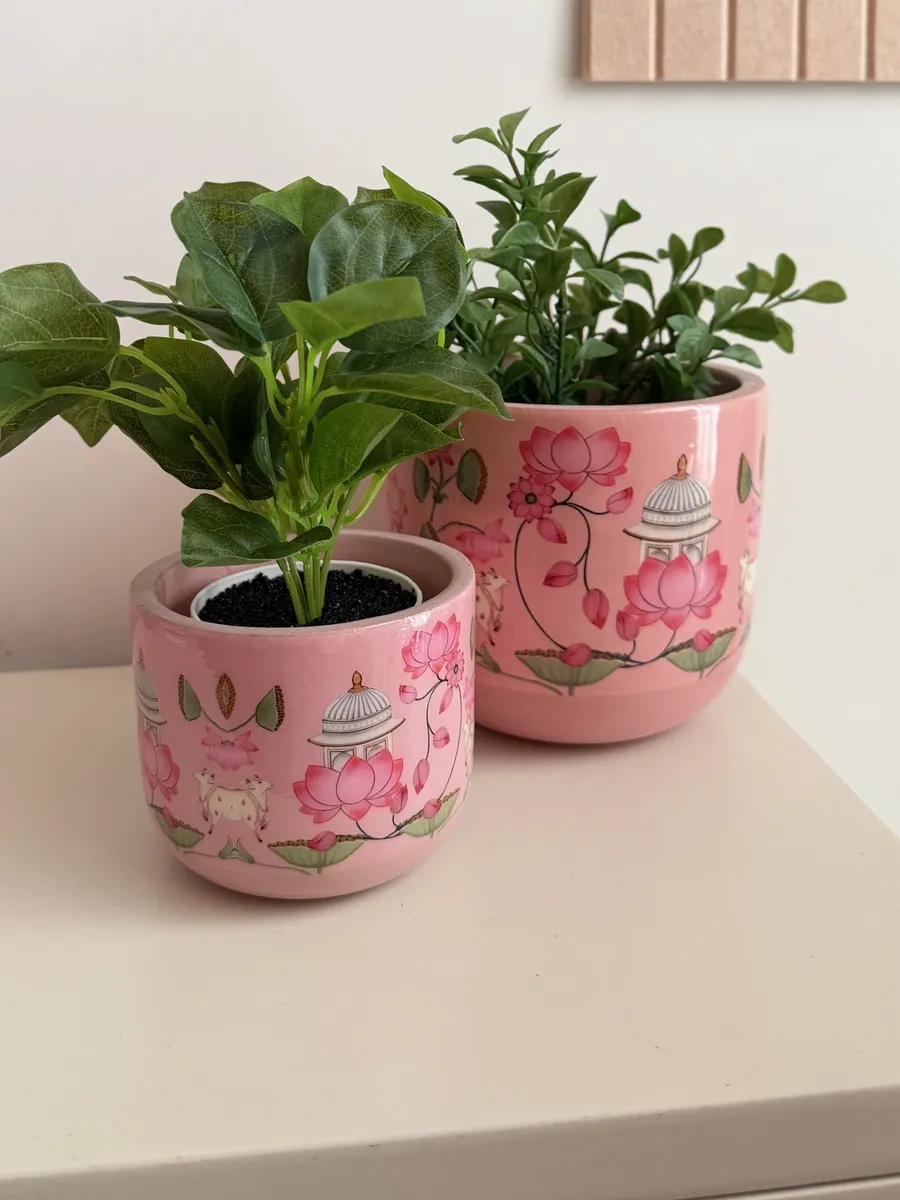 Home Finds — No. 17Artificial plants & the planters that suit them